

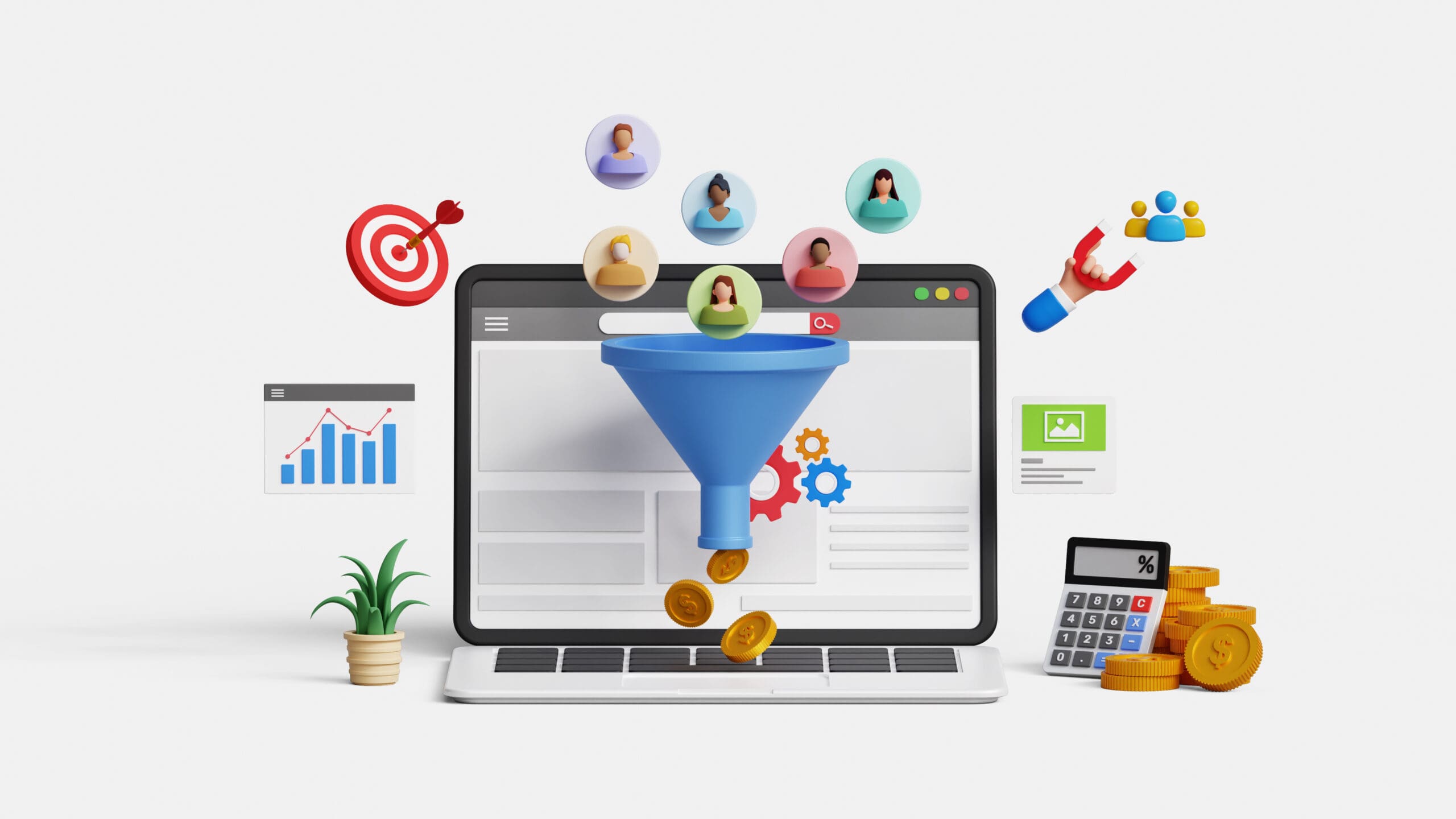
A lot of self-storage operators look at website traffic and assume things are going well.
If the numbers are up, that must mean the marketing is working, right?
Not always.
Traffic can look good on paper while leads stay flat, calls stay inconsistent, and occupancy goals remain harder to hit than they should be. That is because website traffic by itself does not guarantee results. If your website is not built to convert visitors into real inquiries, reservations, and conversations, then even strong traffic can still mean missed opportunities.
For self-storage businesses, this is one of the most overlooked problems in digital marketing.
More Traffic Does Not Always Mean More Move-Ins
It is easy to get excited about website visits. More people are finding your business. More potential customers are clicking. More eyes are landing on your pages.
But if those visitors are not taking action, your website may be underperforming.
That means people may be visiting your site and then leaving because:
- The layout is confusing
- The site looks outdated
- The calls to action are weak
- Contact options are hard to find
- The mobile experience is frustrating
- Trust signals are missing
- The next step is not clear
For self-storage operators, that matters because customers often make fast decisions. If your website creates friction, many of them will simply move on to another facility.
What a Self-Storage Website Is Really Supposed to Do
Your website is not just an online brochure.
It should help your business:
- Build trust quickly
- Answer basic questions
- Make it easy for prospects to contact you
- Capture leads
- Support reservations or inquiries
- Reinforce promotions and offers
- Connect the visitor to the next step
If it is not doing those things well, then traffic alone will not solve the problem.
This is why so many businesses end up spending money on SEO or ads without seeing the full return they expected. They are driving people to a website that is not doing enough to convert attention into action.
Why This Problem Is Common in Self-Storage
Self-storage customers are usually not browsing for fun. They are solving a real problem.
They may be moving, downsizing, managing an estate, renovating, or trying to clear out space. That means they want convenience, trust, and simplicity.
When they land on your site, they are looking for fast answers:
- Where are you located?
- What types of units do you offer?
- How do I contact you?
- Can I reserve or ask questions easily?
- Can I trust this business?
If your website does not answer those questions quickly and clearly, the visitor may leave before becoming a lead.
The Hidden Cost of a Low-Converting Website
A weak website does not just cost you online engagement. It can affect your entire marketing performance.
For example:
- SEO traffic becomes less valuable if visitors do not convert
- Paid ad spend becomes less efficient if clicks do not turn into leads
- Promotions become less effective if landing pages are weak
- Reviews matter less if the website experience does not reinforce trust
That means your website can become the bottleneck in your growth strategy.
You may think you need more traffic when what you really need is a better website experience.
Why Website Foundation Matters
iZone ONE includes new website creation, website hosting and maintenance, website updates, website chat, universal messenger app, customer CRM, and reputation management tools. That matters because a website performs best when it is part of a connected system instead of being treated like a standalone asset.
For self-storage operators, that kind of foundation can make it easier to keep the site current, improve communication, and create better lead-handling processes.
Instead of just sending traffic to a static page, you are building a stronger path from visit to conversation.
What a Better Website Experience Looks Like
A stronger self-storage website should help reduce friction and increase action.
That often means:
- Clean navigation
- Mobile-friendly design
- Clear calls to action
- Easy-to-find contact information
- Chat or messaging support
- A professional, trustworthy appearance
- Pages that match search intent and promotions
When those elements are in place, your website can do a much better job of turning interest into leads.
Why Conversation Tools Matter
Sometimes a prospect is not ready to call right away. They may just want a quick answer.
That is where chat and messaging can make a real difference.
If a website visitor can ask a question easily instead of leaving the site, you may save opportunities that otherwise would have been lost.
Because iZone ONE includes website chat and a universal messenger app, businesses have tools that can help support customer communication directly from the site experience.
For self-storage businesses, that can help close the gap between traffic and actual inquiries.
Better Websites Support Better Marketing Results
A website is not separate from your marketing. It is one of the most important parts of it.
Your SEO strategy depends on it. Your ad campaigns depend on it. Your promotions depend on it. Your lead follow-up depends on it. Your reputation depends on how well the customer experience holds together once someone clicks.
That is why a good-looking site is not enough. It has to function as part of a real lead-generation system.
When the website, messaging, CRM, and follow-up tools work together, traffic becomes much more valuable.
What to Watch For
If your self-storage website is getting traffic but results are still disappointing, here are a few signs the site may be the issue:
- Traffic is up, but calls are not
- Visitors are not filling out forms
- Paid ads are getting clicks without strong lead volume
- Promotions are getting attention without action
- Staff says leads are inconsistent even when campaigns are running
- Prospects ask basic questions the site should already answer
These are all signs that the website experience may need attention.
Final Thoughts
Did you know your website might be losing leads even if traffic looks good?
For self-storage operators, that is a real possibility.
Traffic is important, but traffic without conversion is only part of the story. If your website is hard to use, outdated, unclear, or disconnected from your lead-handling tools, you may be losing valuable opportunities every single month.
The goal is not just to get more visitors. The goal is to turn more of the right visitors into real inquiries, conversations, and move-ins.
That is why your website should be treated as more than just a digital placeholder. It should be built to support trust, action, and growth.
FAQ: Did You Know Your Website Might Be Losing Leads Even If Traffic Looks Good?
Why can a website get traffic but still not produce enough leads?
A website can attract visitors but still underperform if the layout is confusing, calls to action are weak, mobile experience is poor, or the site does not make it easy to contact the business.
Why does website conversion matter for self-storage businesses?
Self-storage customers often make fast decisions. If the website creates friction or does not answer key questions quickly, they may leave and choose another facility.
What should a self-storage website help a business do?
A strong self-storage website should build trust, answer questions, make contact easy, capture leads, support inquiries or reservations, and guide visitors toward the next step.
What does iZone ONE include for website support?
iZone ONE includes new website creation, website hosting and maintenance, website updates, website chat, universal messenger app, customer CRM, and reputation management tools.
How can website chat help increase leads?
Website chat can make it easier for prospects to ask quick questions instead of leaving the site. That can help turn more visitors into real conversations and leads.
Can a weak website hurt SEO and paid ads?
Yes. Even if SEO or ads are driving traffic, a low-converting website can reduce the return on that traffic by failing to turn visitors into leads.
What are signs that a self-storage website may be losing leads?
Common signs include traffic increasing without more calls, weak form submissions, ad clicks without enough inquiries, and repeated customer questions the website should already answer.